Since 2008, the E-PROPS company designs, tests, manufactures and provides ultra-light carbon propellers for drones.
The ELECTRAVIA – E-PROPS team is known for its electric propulsion systems developed for leisure aviation (engines, controllers, dedicated instruments, battery BMS, special propellers), and for the aircraft equipped with these successful and silent propulsion systems, built between 2008 and 2014.
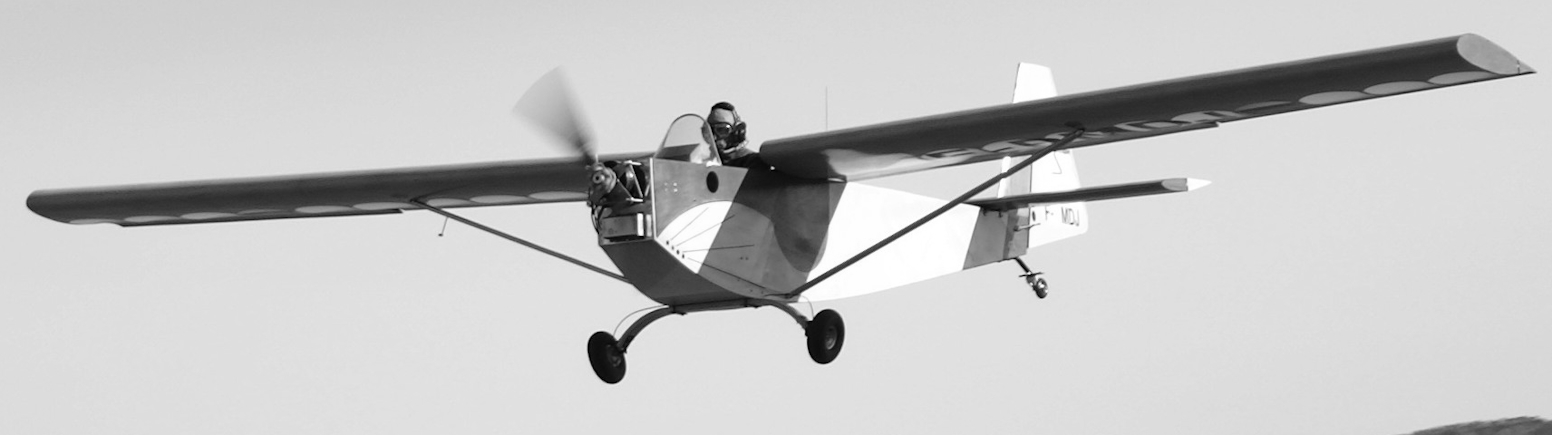
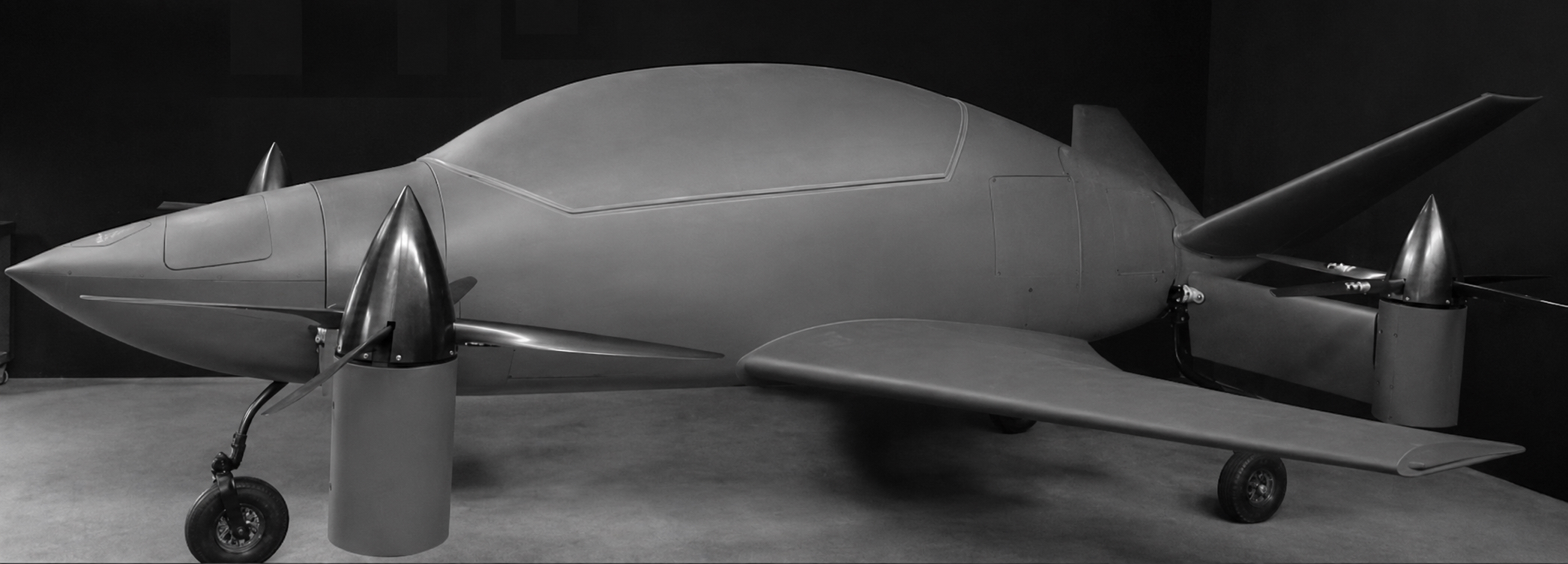
Over 6 years, more than 70 aircraft with electric engines were developed by the team, including the famous ELECTRA (the world's first 100% electric aircraft, first flight December 2007), the CRI-CRI Cristaline (the world's first electric twin-engine aircraft, world speed record for electric aircraft from 2010 to 2018), the E-FENIX (world's first electric two-seater paratrike), the E-SPIDER (world's first electric two-seater paramotor), and the ELECTRO-LIGHT (electric motoglider, 1h30 range).
The ELECTRAVIA engineers developed controllers and battery BMS, and integrated engines into a range of different airframes. Unable to find propellers specifically adapted to electric engines on the market, they also designed, tested and manufactured their own.
From 2014, the company suspended its electric propulsion activities, pending batteries with greater autonomy and recharging times better suited to aeronautical use. The E-PROPS team now focuses solely on the design and manufacture of its propellers.
Today, this expertise combined with the means to produce carbon propellers allows E-PROPS to take part in many innovative aircraft projects, as a supplier of ultra-light, very strong and highly efficient mechanical propulsion solutions — a major global player in the aircraft carbon propeller sector, involved in numerous innovative drone projects.
The family-owned company was created in 2008 by three aviation enthusiasts and pilots. Today, the E-PROPS team is composed of 67 aeronautical engineers and technicians:
| Workshops | 40 |
| Design department | 20 |
| Commercial / management | 7 |
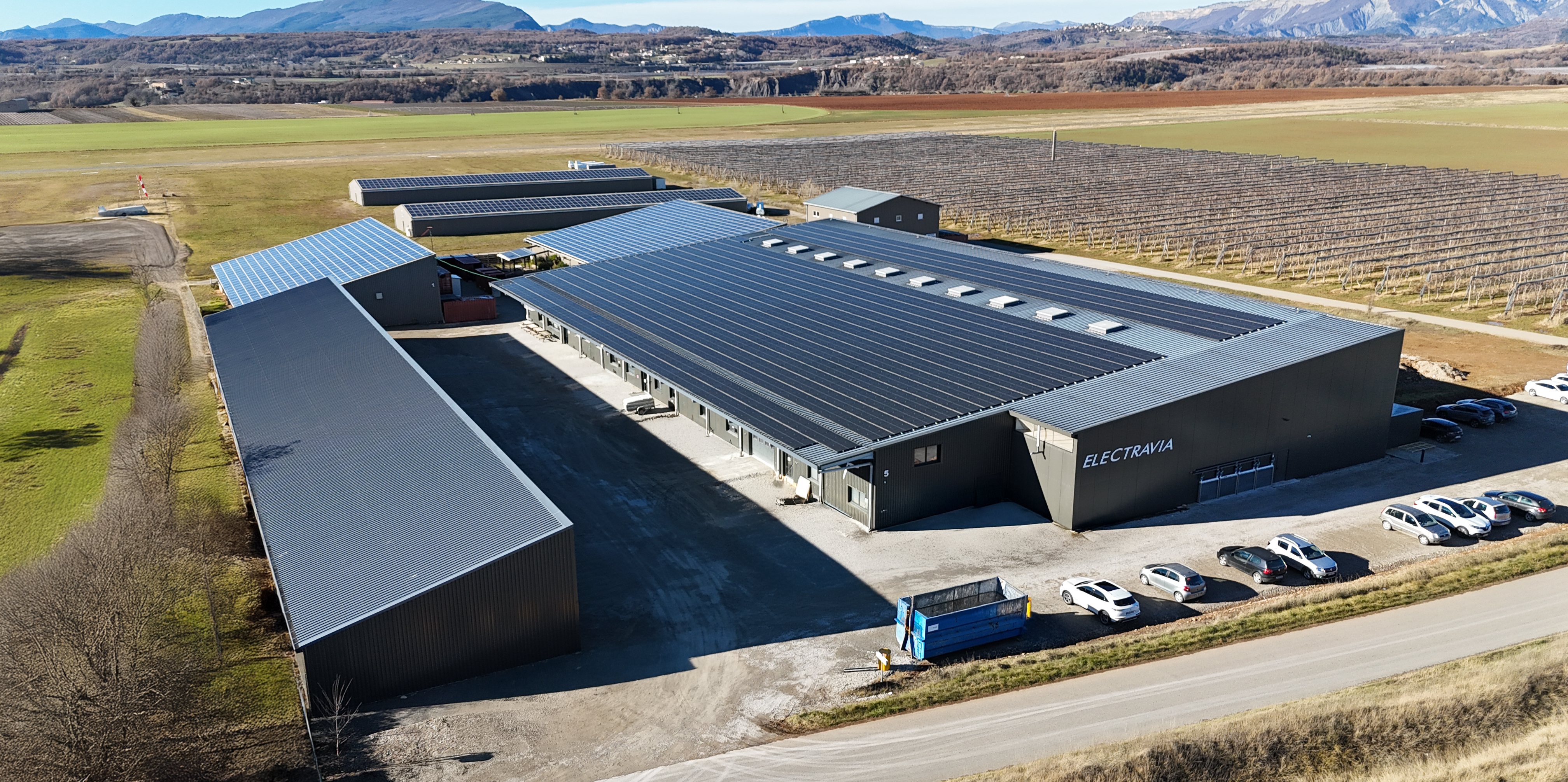
E-PROPS' headquarters, design office and workshops are located on Sisteron airfield (LFNS), Provence, France. The industrial area has access to the 1,000 m runway.
Ultra-modern 8,200 m² workshops include:
Production is monitored by RFID and Kanban methods, optimizing manufacturing quality, fluidifying supplies, and ensuring real-time traceability of every manufacturing step.
Quality system: PART 21G level — all propellers for drones are certified to at least ASTM F2506-26 standard.
Testing: fatigue test bench (alternating bending to reproduce engine torque), traction test bench (40-tonne hydraulic cylinder, 3.5 m high, 300 kg), and various other mechanical test benches.
 Carbon Propellers